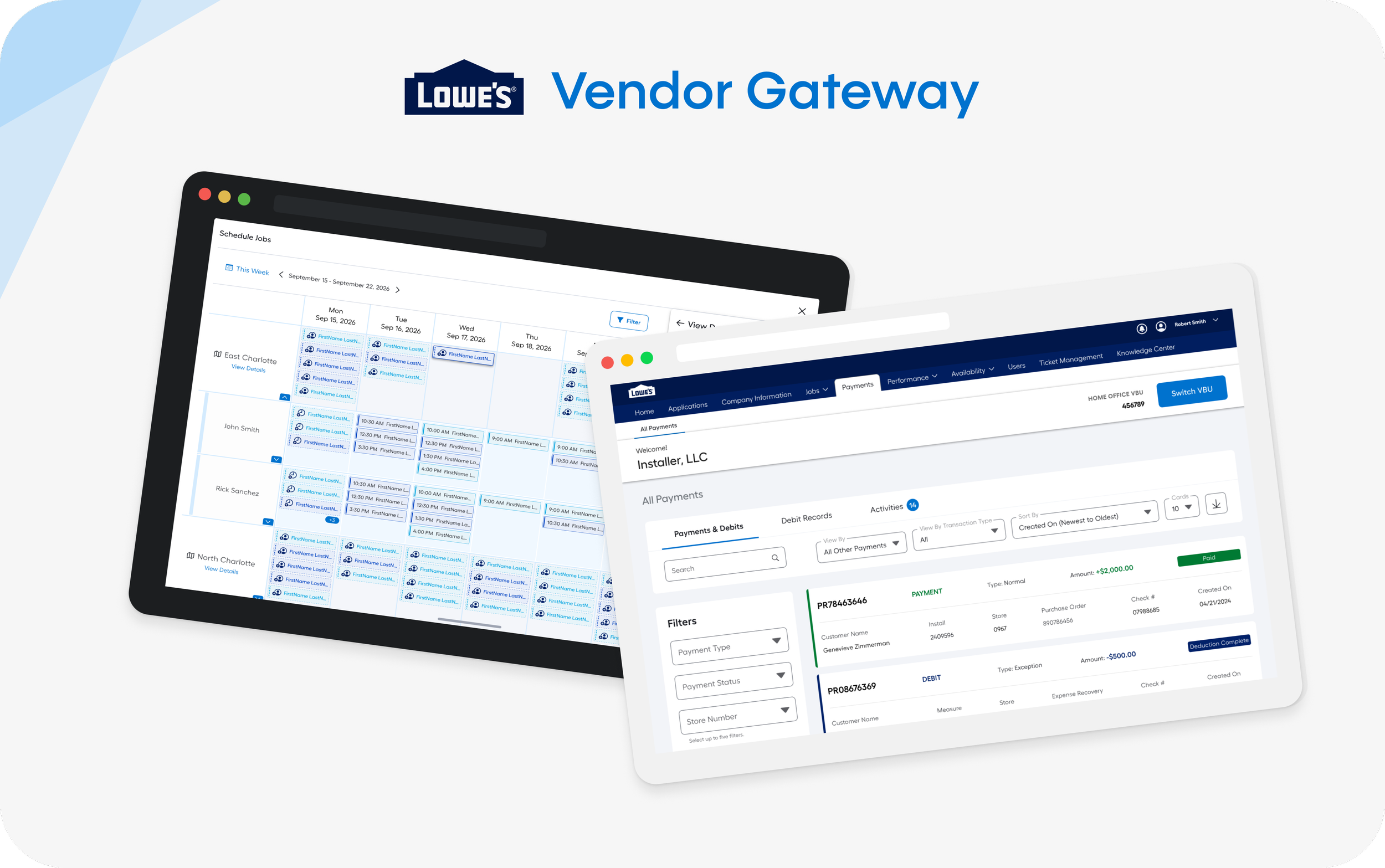
Lowe’s Vendor gateway
Lowe’s Vendor Gateway is a web application that serves as the central hub for contracted installation companies participating in
Lowe’s Provider Program. Through Vendor Gateway, installers can upload and manage essential company information,
including insurance, licenses, and employee records. The platform is also used to receive jobs, process payments,
view performance metrics, conduct company reviews and file reports. In addition, Vendor Gateway includes an associate-facing
admin experience, where Lowe’s associates across different departments and permission levels can manage and oversee the installers.
PROJECT SCOPE
Lowe’s previously used Microsoft Dynamics to build and host several legacy applications (SPM, IMS, and Provider Portal)
utilized by installers, associates, and managers. The objective was to do research and thoroughly document the strengths
and weaknesses of these legacy systems, along with their key features, user flows, and personas, and to successfully migrate
the most effective elements into the new Vendor Gateway platform. Our goal was to design Vendor Gateway as a modern solution
leveraging Lowe’s design system. Vendor Gateway was designed to directly address user pain-points gathered in our research
of the legacy systems while fulfilling their wants and needs.
My role was to conduct in-depth research and become an expert in both the users and the legacy systems, enabling me
to design modern, data-driven solutions. I became an expert in the various user personas, including different types of installers, associates and
to deeply understand how they interacted with the dynamics legacy applications on a daily basis. I also had to gain an in-depth knowledge
of the legacy applications, identifying numerous outdated features, inefficient workflows, and where the old design
showed little to no consideration for user experience. Simultaneously, I documented the strengths of the legacy applications
as well as opportunities for future enhancements.
Problem
Microsoft Dynamics was costing Lowe’s $11 million annually. The system, which was over 10 years old, had significant code limitations that made
it nearly impossible to update the applications with modern features. The legacy applications were clunky, unintuitive, and not user-friendly.
They forced users to perform duplicative work, create workarounds for simple tasks, and deal with numerous inefficiencies — ultimately adding
countless hours of extra work for both associates and installers.
SOLUTION
Design and Migrate Lowe’s to Vendor Gateway a new experience leveraging Lowe’s design system.
The goal was to design and develop Vendor Gateway using a proven UX framework with current design best practices, features and components.
Key objectives included:
Design to solve user-pain points, wants, and needs and achieve business goals.
Increase efficiency and productivity
Design the experiences that scale
Retaining and enhancing the core functions of the legacy systems
Role & Team
As Senior Product Designer, I led the design for multiple experiences within Vendor Gateway. At times,
I was simultaneously responsible for up to seven experiences. Each experience had its own dedicated
cross-functional team, typically consisting of one Product Manager, several developers, and myself.
We also worked alongside dedicated ux researchers and content specialist.
We worked in an agile environment with two-week sprints.
I was also part of a larger design organization at Lowe’s, which included over 90 designers company-wide.
Within our organization, there were 30 designers, with 6 of us working in the Services division.
All six reported to a Lead Designer. Since we were all assigned to the Vendor Gateway migration,
we maintained close collaboration — regularly sharing design patterns, component libraries, and
conducting weekly design feedback and review sessions.
Despite very tight deadlines and high pressure, I consistently delivered high-quality designs on time.
UX/UI Responsibilities:
Stakeholder Interviews
User research
UX audit of SPM, IMS & Provider Portal
Design around Personas
Information Architecture
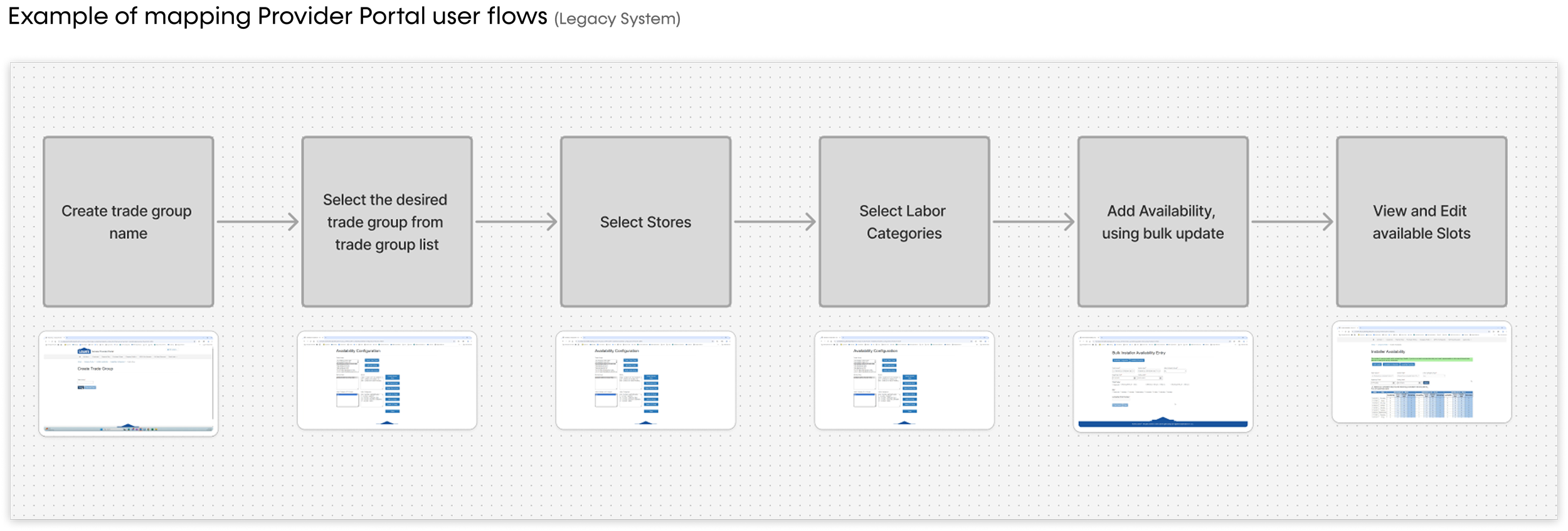
User flow
Team ideation sessions
Mood boards
Wireframes
Design System
Component Library
High Fidelity Mockups
Prototypes
Usability Testing
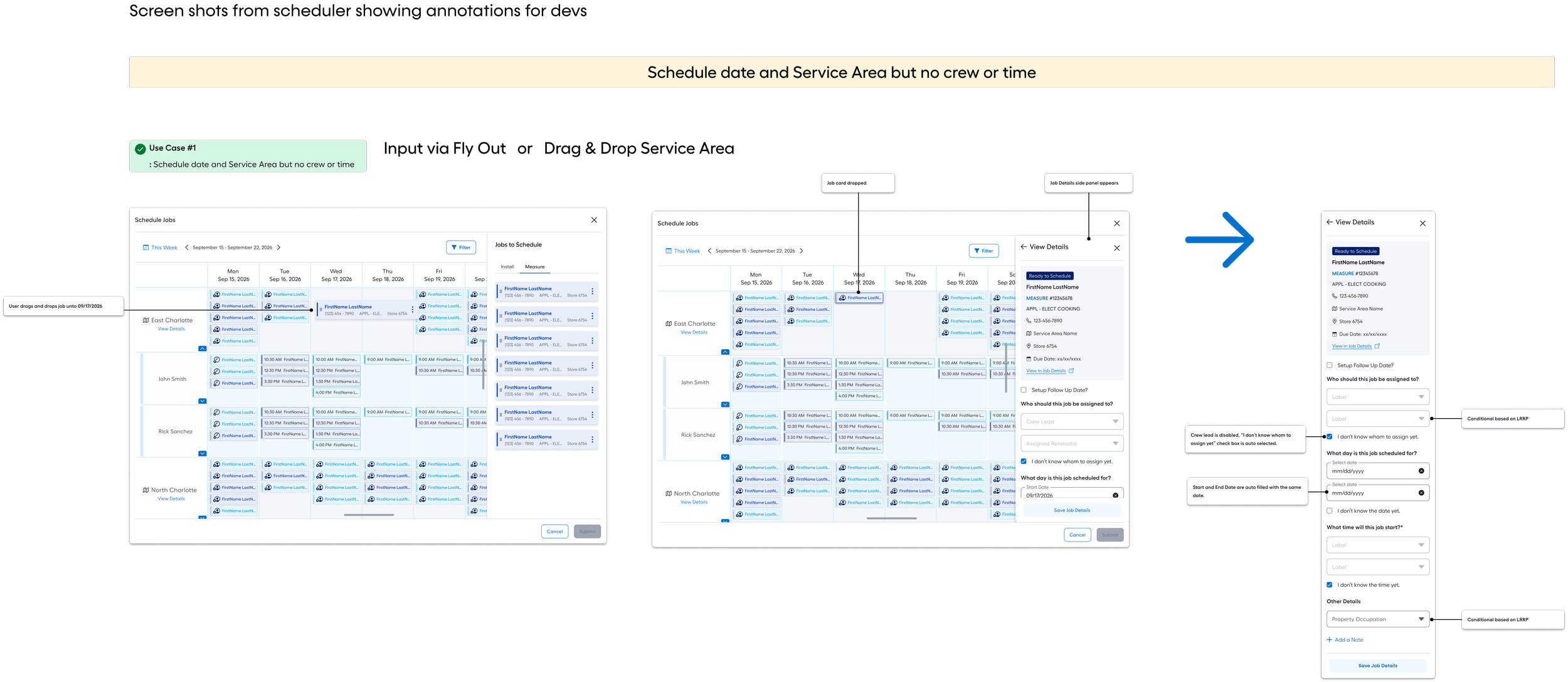
Annotations
Ai Assisted Workshops
MVP
Deliverables
Learn
Stakeholder interviews
I conducted dozens of stakeholder interviews with business partners to gain an in-depth understanding of the legacy systems,
uncover pain points, and learn how they envisioned the new application would benefit them while helping achieve broader business goals.
User Interviews
I led dozens of user interview sessions with both installers and associates.
On the installer side, I spoke with professionals from a wide range of business types and sizes from small, one-person operations
to large nationwide companies handling millions of dollars in installations for Lowe’s annually. This broad spectrum allowed me to deeply
understand the common pain points, wants, and needs of the majority of users, while also identifying important edge cases for future post-launch enhancements.
On the associate side of Vendor Gateway, I interviewed a diverse group of users across multiple departments and job levels,
from entry-level associates to regional managers. Because different credential levels granted access to different tasks and features,
these interviews were essential for capturing varied perspectives. Casting such a wide research net gave me and my team a
comprehensive understanding of our users, enabling us to design more effective and targeted solutions.
UX Audit
I performed a comprehensive UX audit of each experience I was re-designing, this usually consisted of one or multiple walkthroughs by a user
as well as thorough documentation of user flows by me. I also tried to document any complex and hidden features I could find.
The audits enabled me to identify duplicative and inefficient steps, uncover opportunities for improvement, and gain a much
deeper understanding of the experience I was re-designing.
Define
Personas
Our product and research would develop the personas ahead of me being assigned to the project. During my user interviews,
I focused on validating the pain points, wants, and needs associated with those personas.
Features & Information Architecture
I documented all features and developed the information architecture.
Experiences
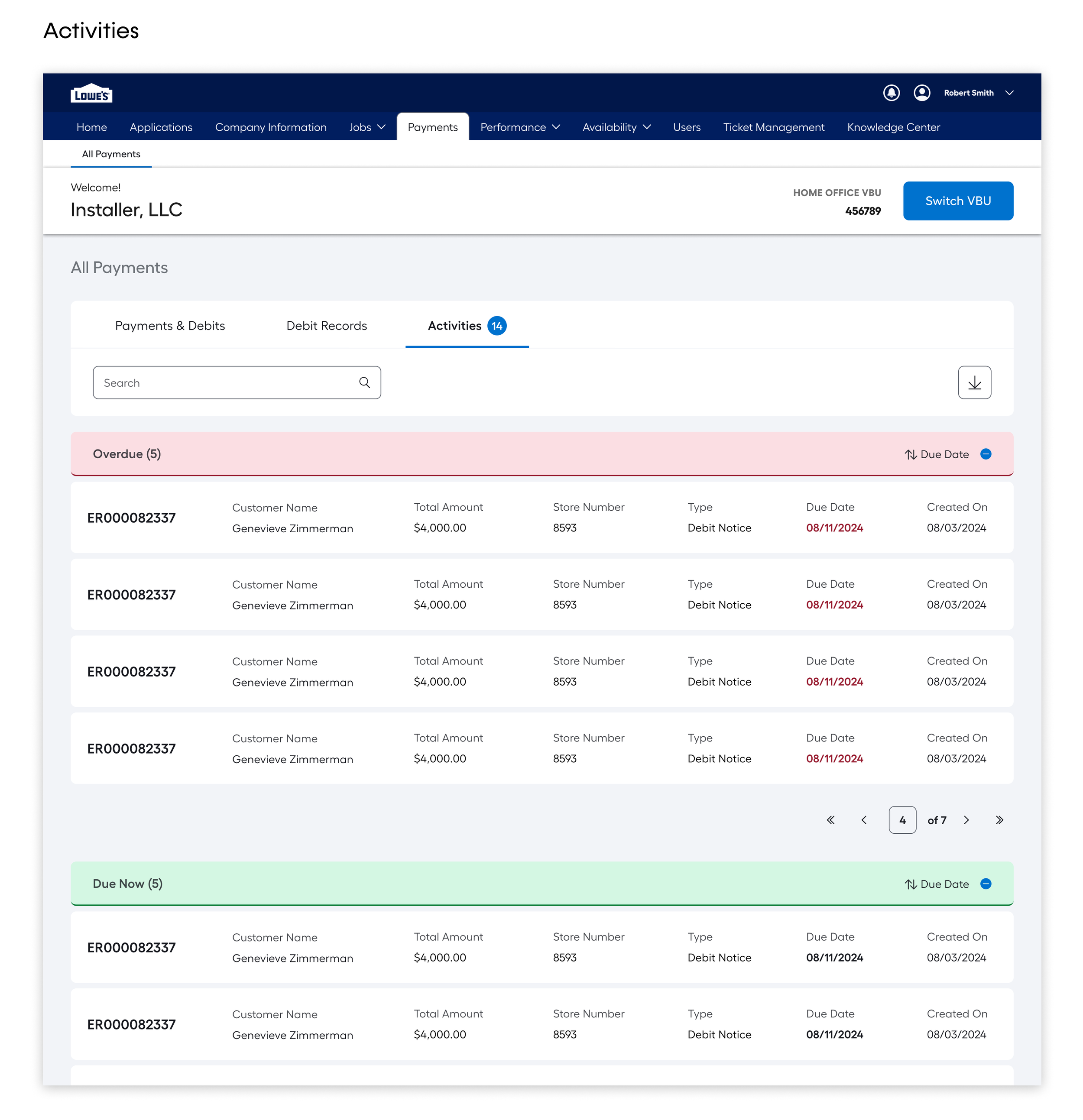
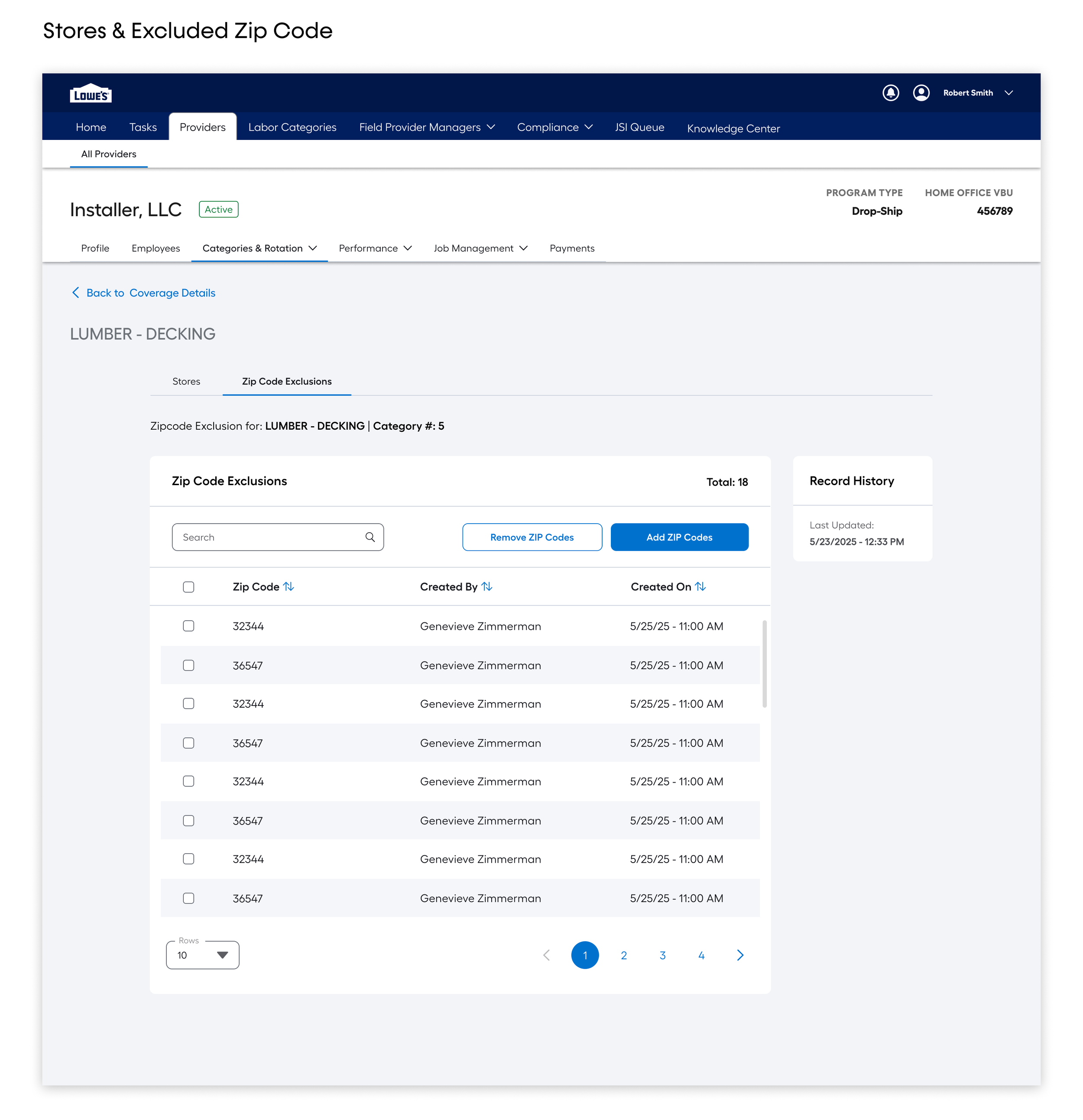
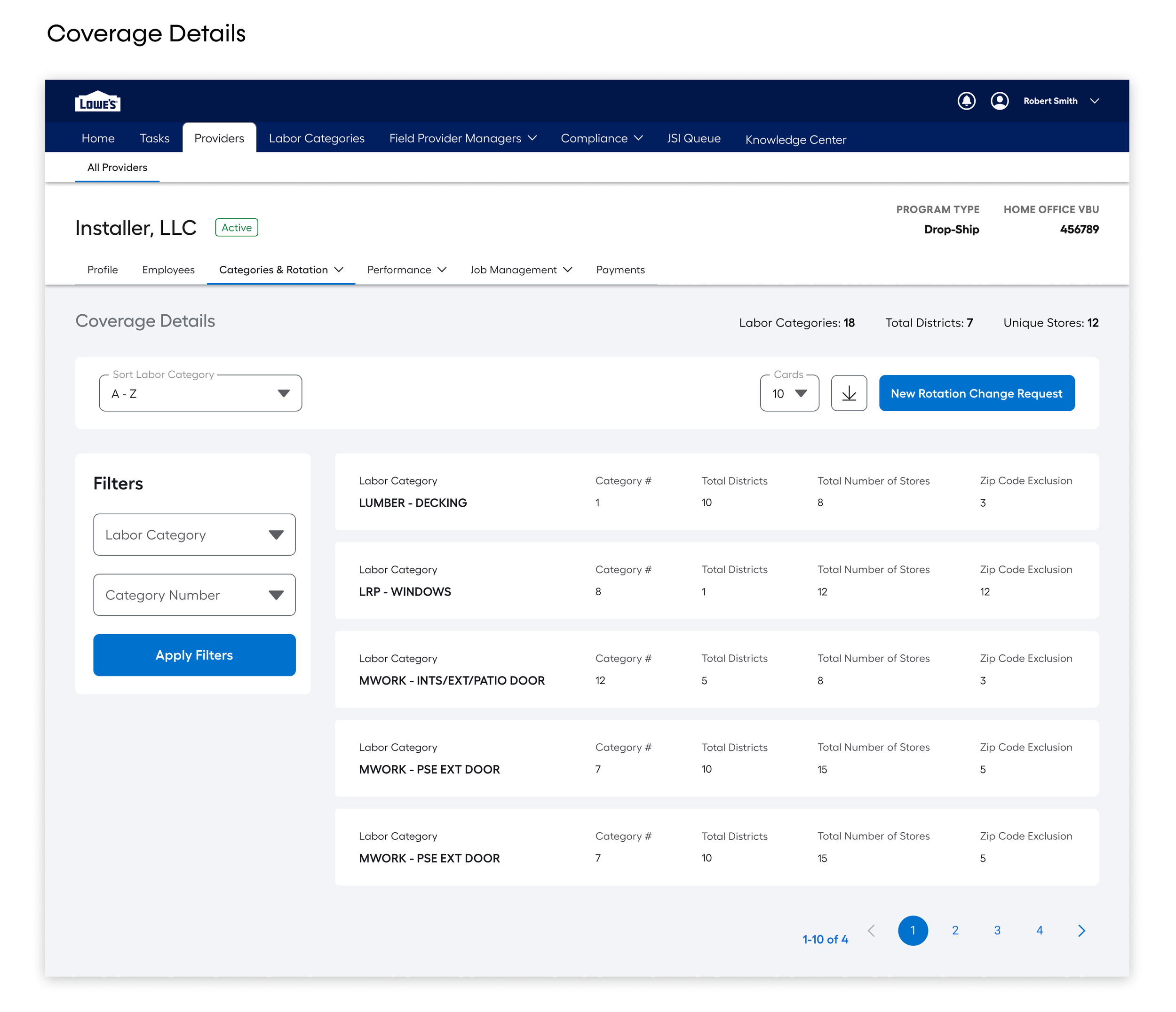
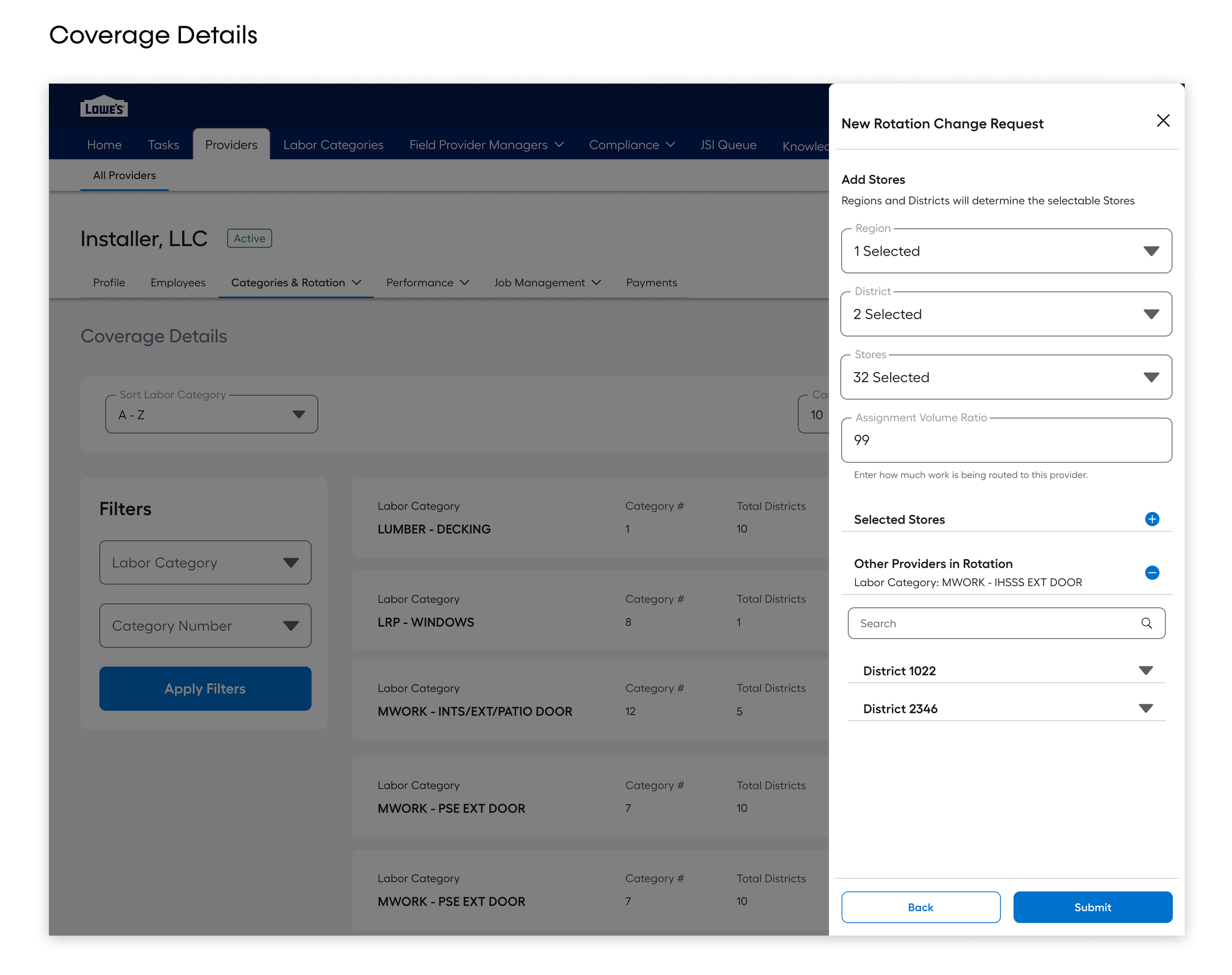
These are some of the experiences I delivered:
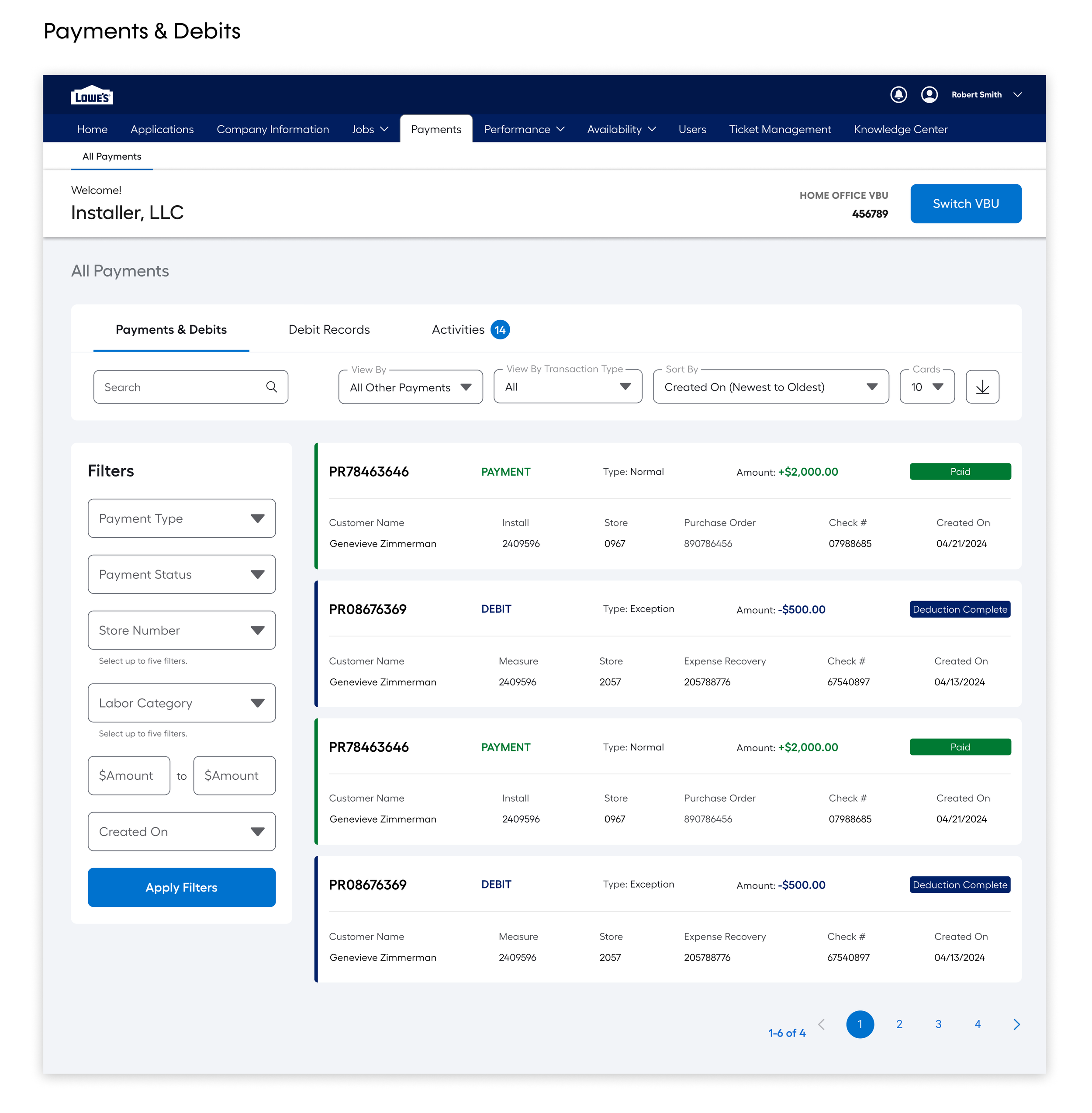
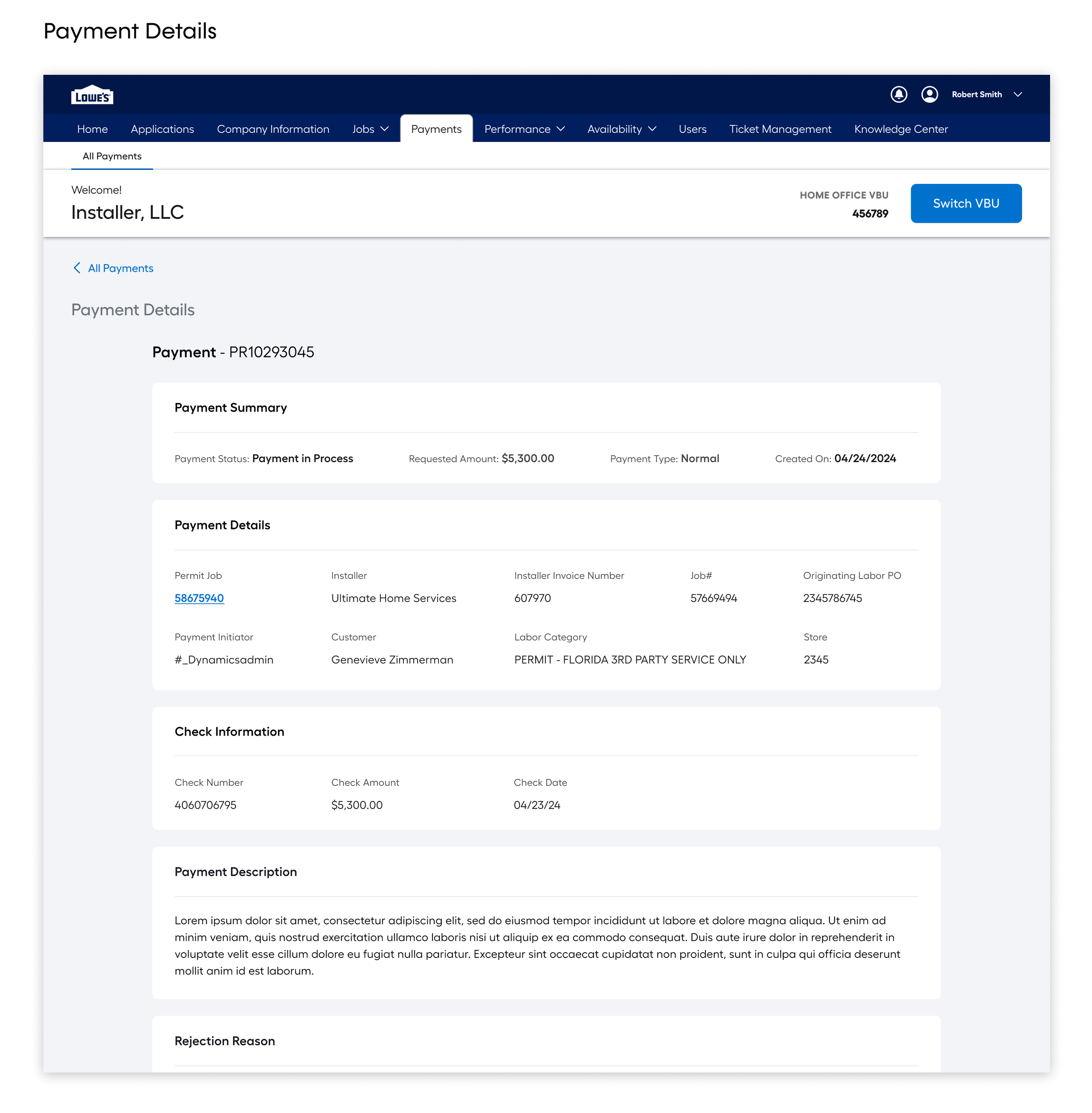
Payments (Installer View)
Debit Records (Installer View)
Activities
Citations (Installer View)
Crew Builder
Crew Management
Crew Details Page
Trade Group Builder
Trade Group Management
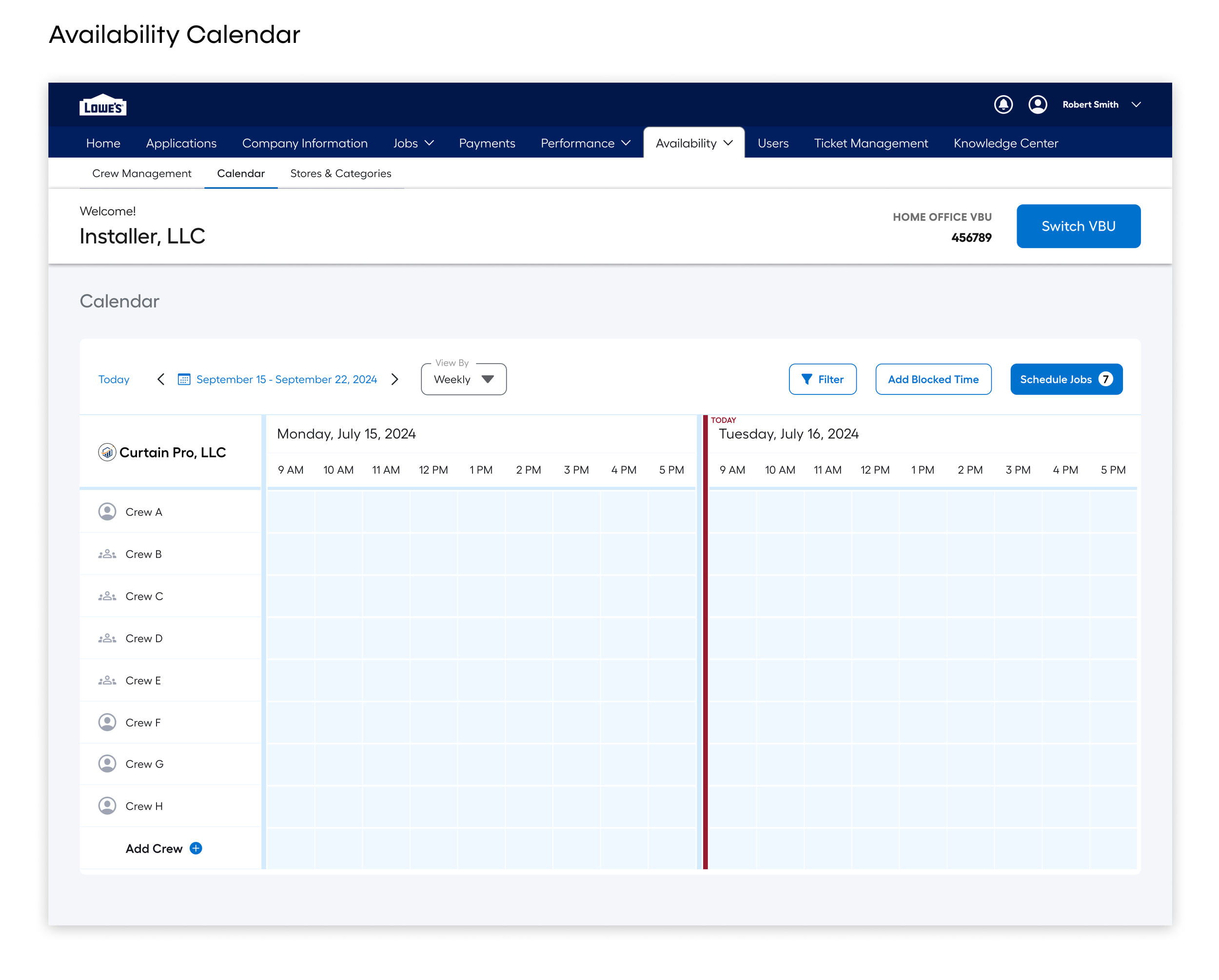
Availability Calendar
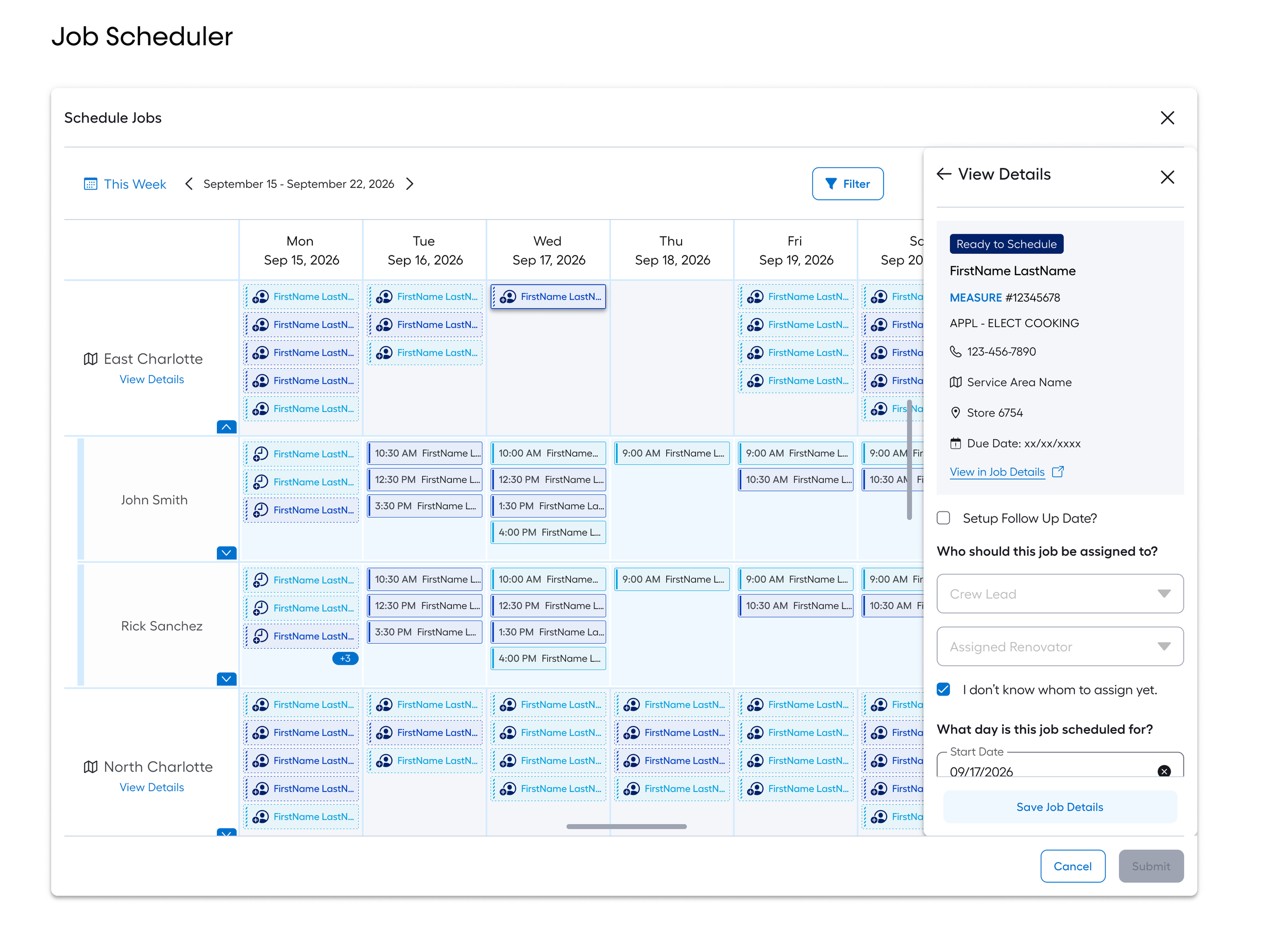
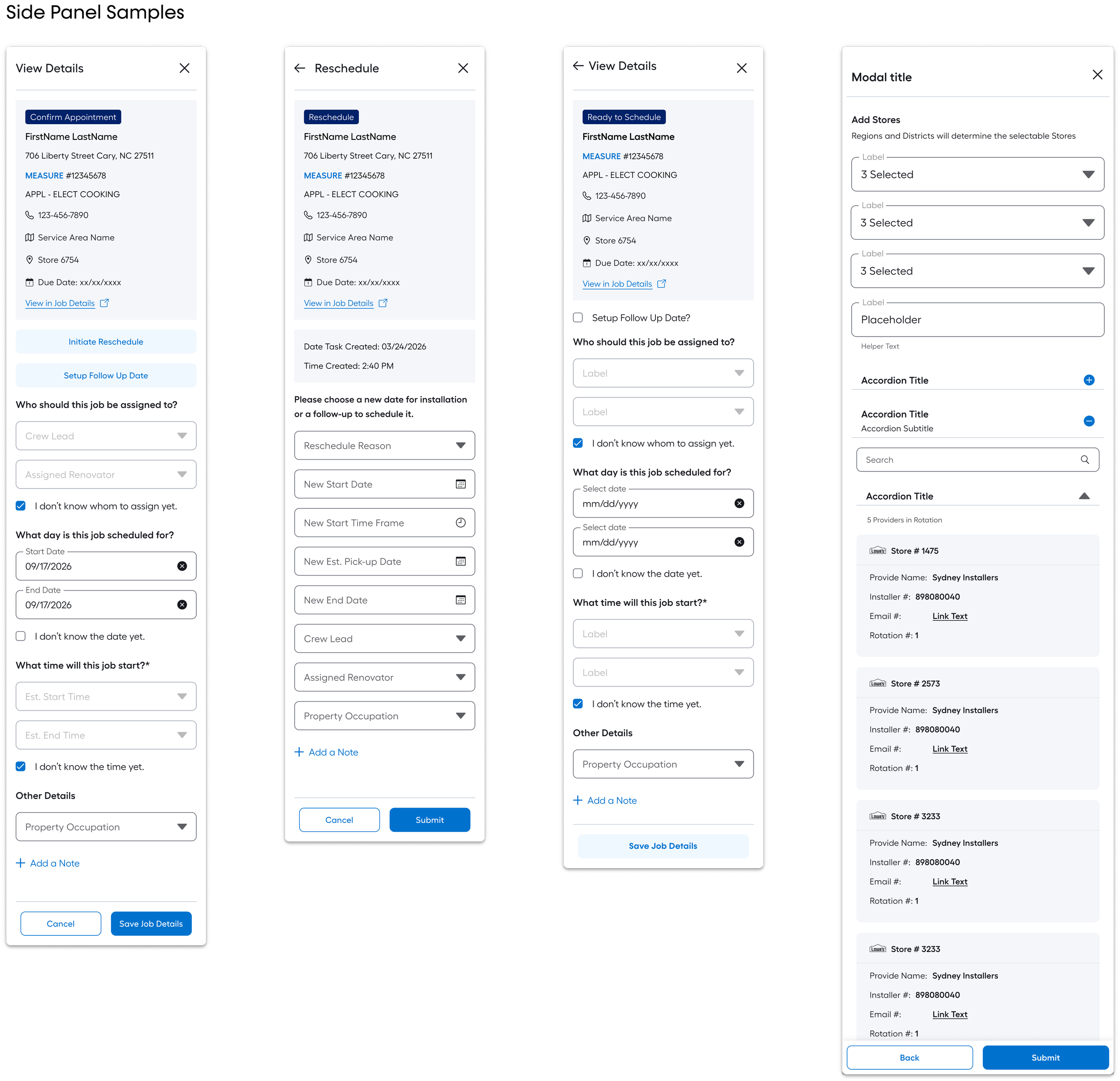
Job Scheduler
Rotation change request
Rotation change request history
All Labor Categories
Prioritization Queue (Web & Mobile)
Zip Code Exclusions
Store Coverage
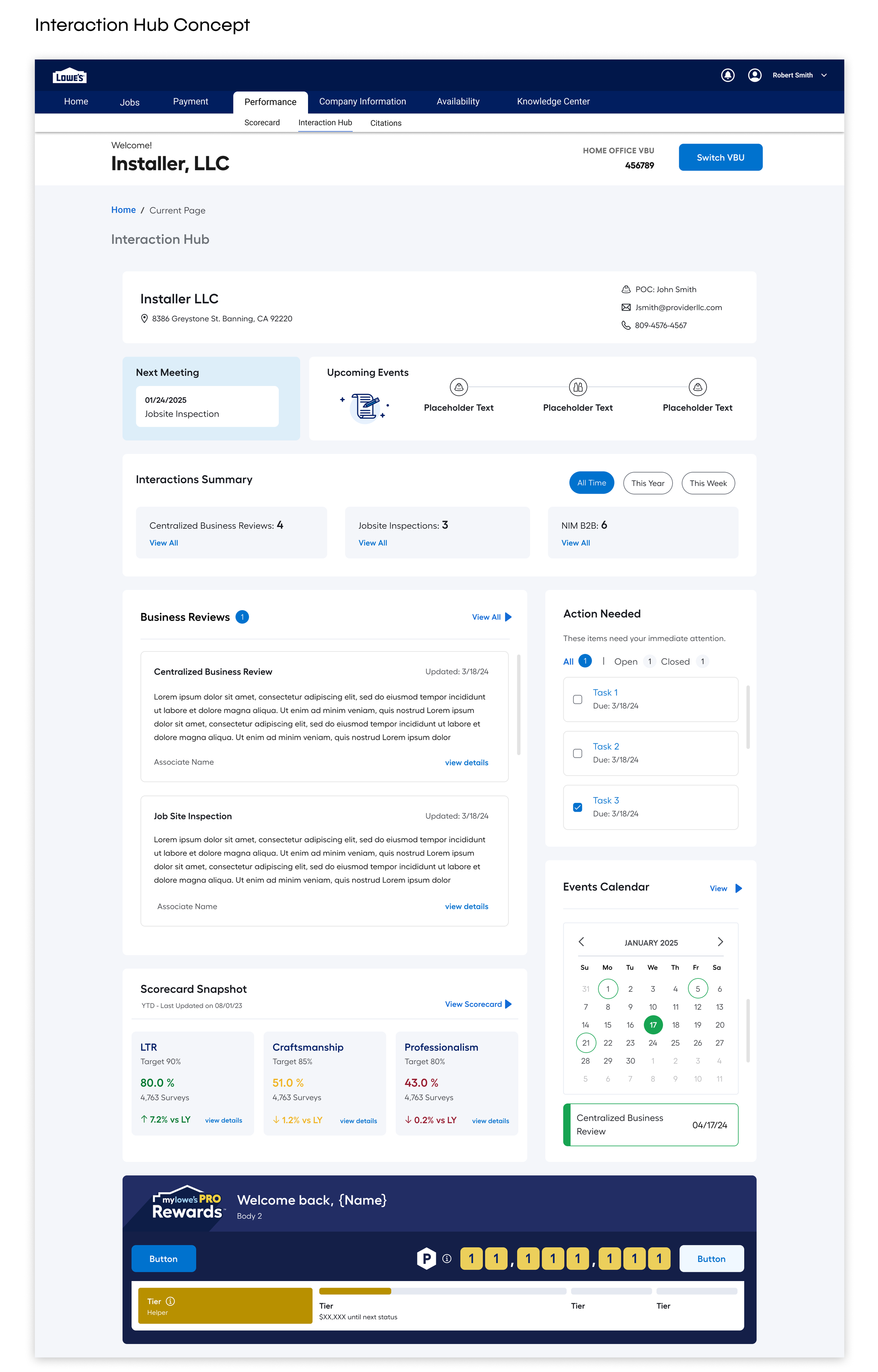
Performance Dashboard
Payments ( Associate View)
Debit Records ( Associate View)
Citations ( Associate View)
Navigation Component Library
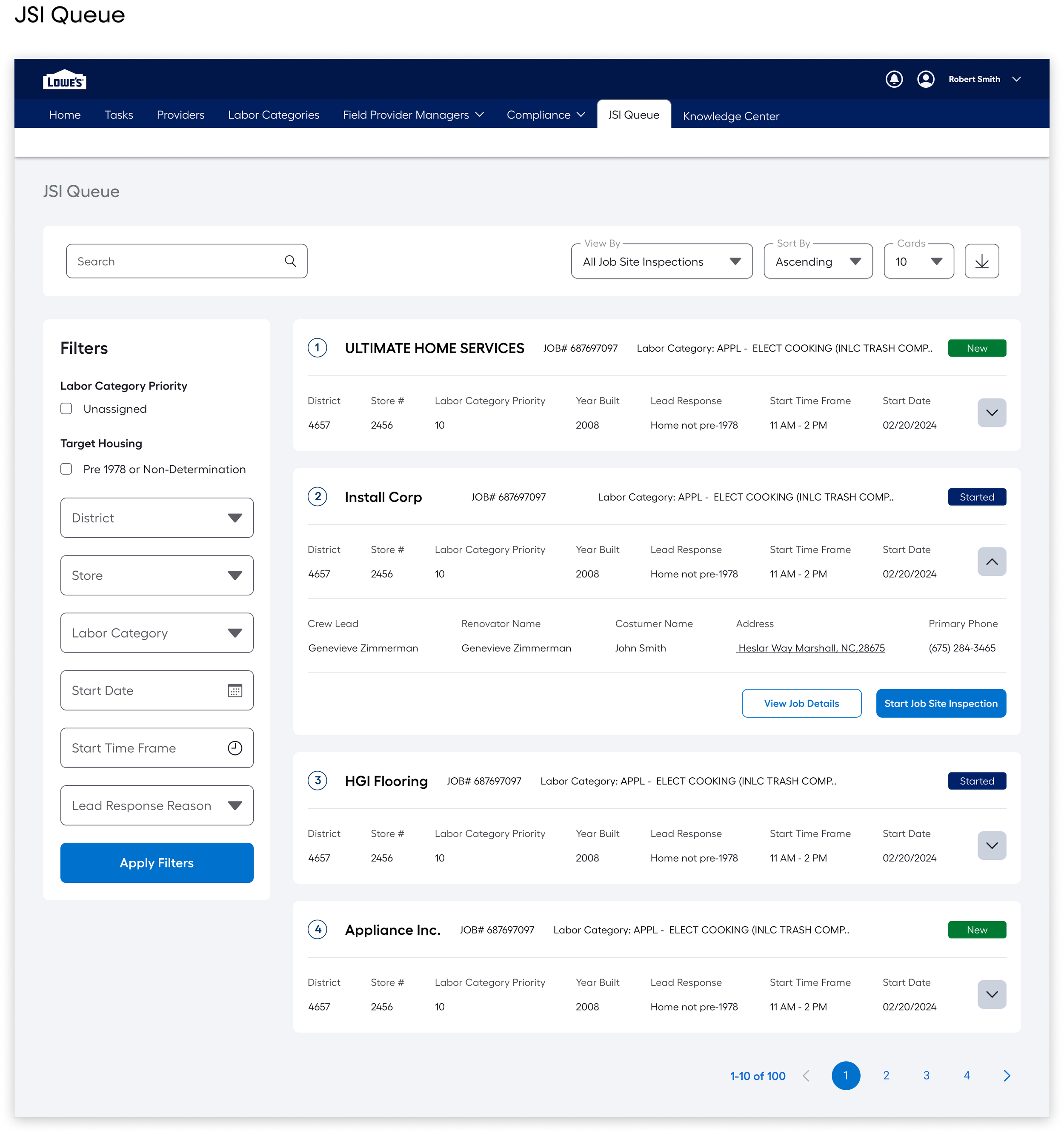
Job Site Inspections
Centralized Business Reviews
Full Prototypes for several experiences
User feedback & usability Testing
I conducted and participated in weekly user feedback sessions with both installers and associates.
These sessions typically took place once the designs were nearing final form and the team had aligned on the overall direction.
We ran the feedback sessions using either fully interactive prototypes or screenshot-based presentations. I often led the sessions myself, but also collaborated with researchers or Product Managers. In some cases, we included a developer from the team to help them gain a deeper understanding of user needs and behaviors.
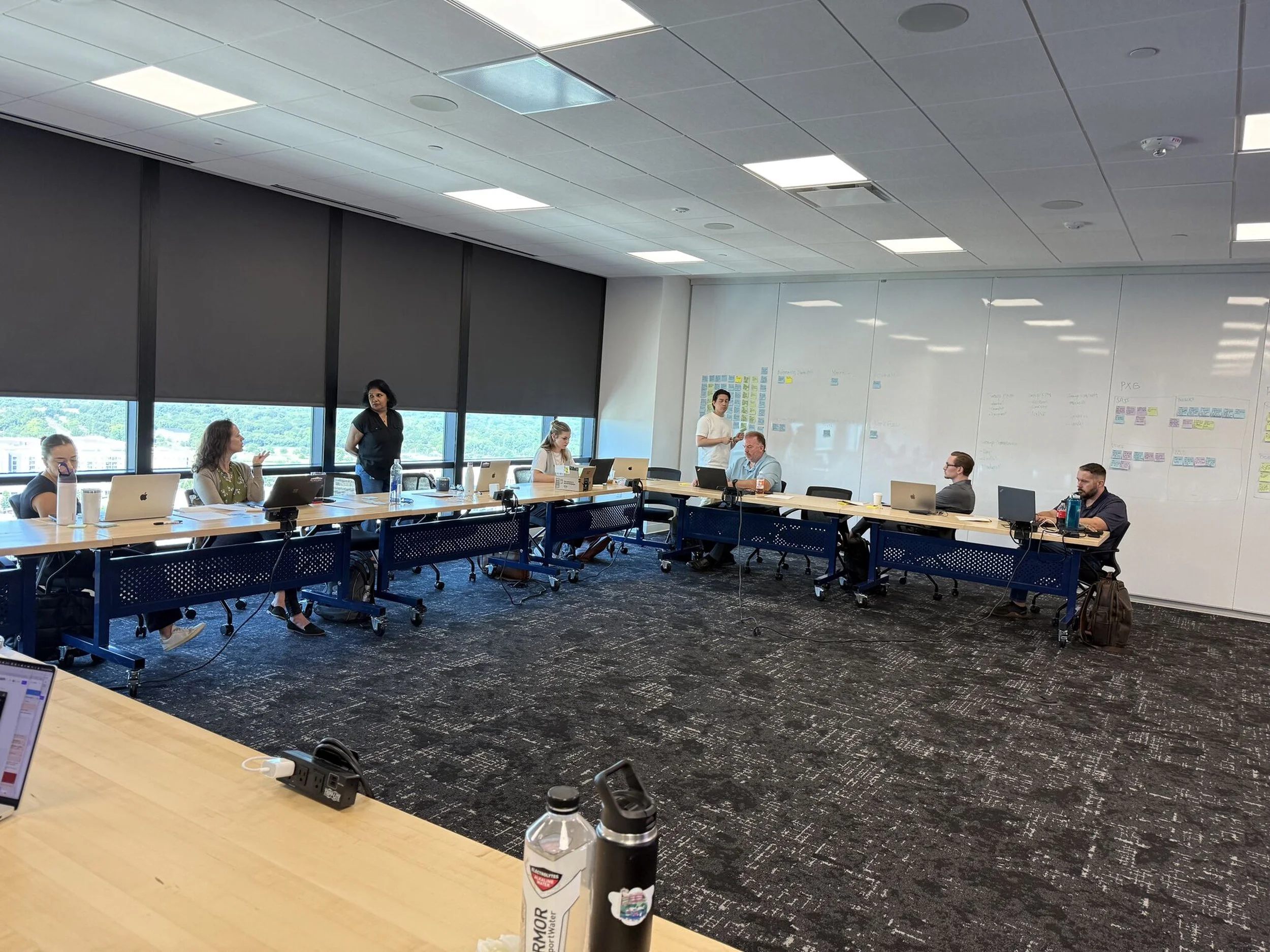
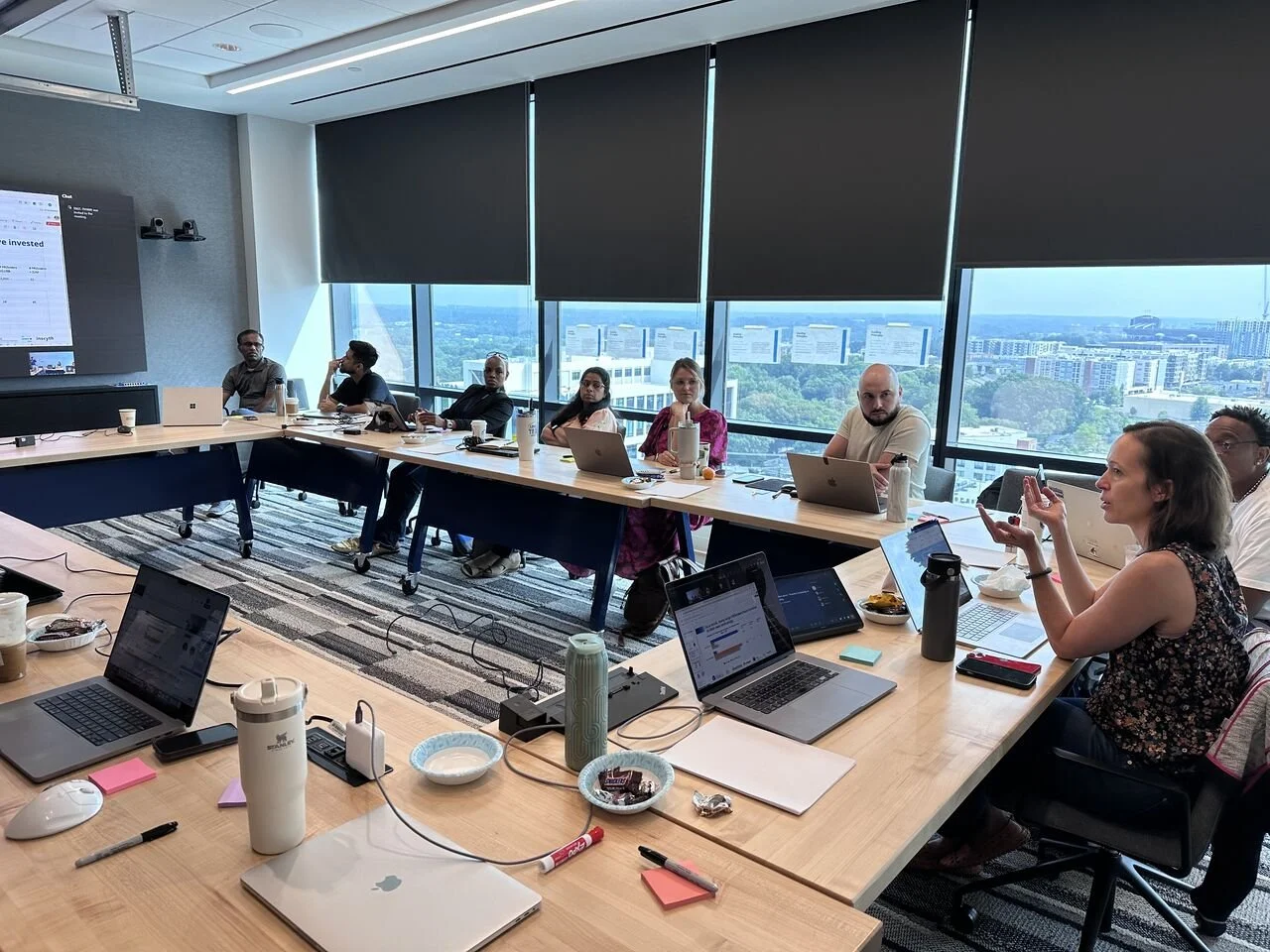
A.I Assisted design and workshops
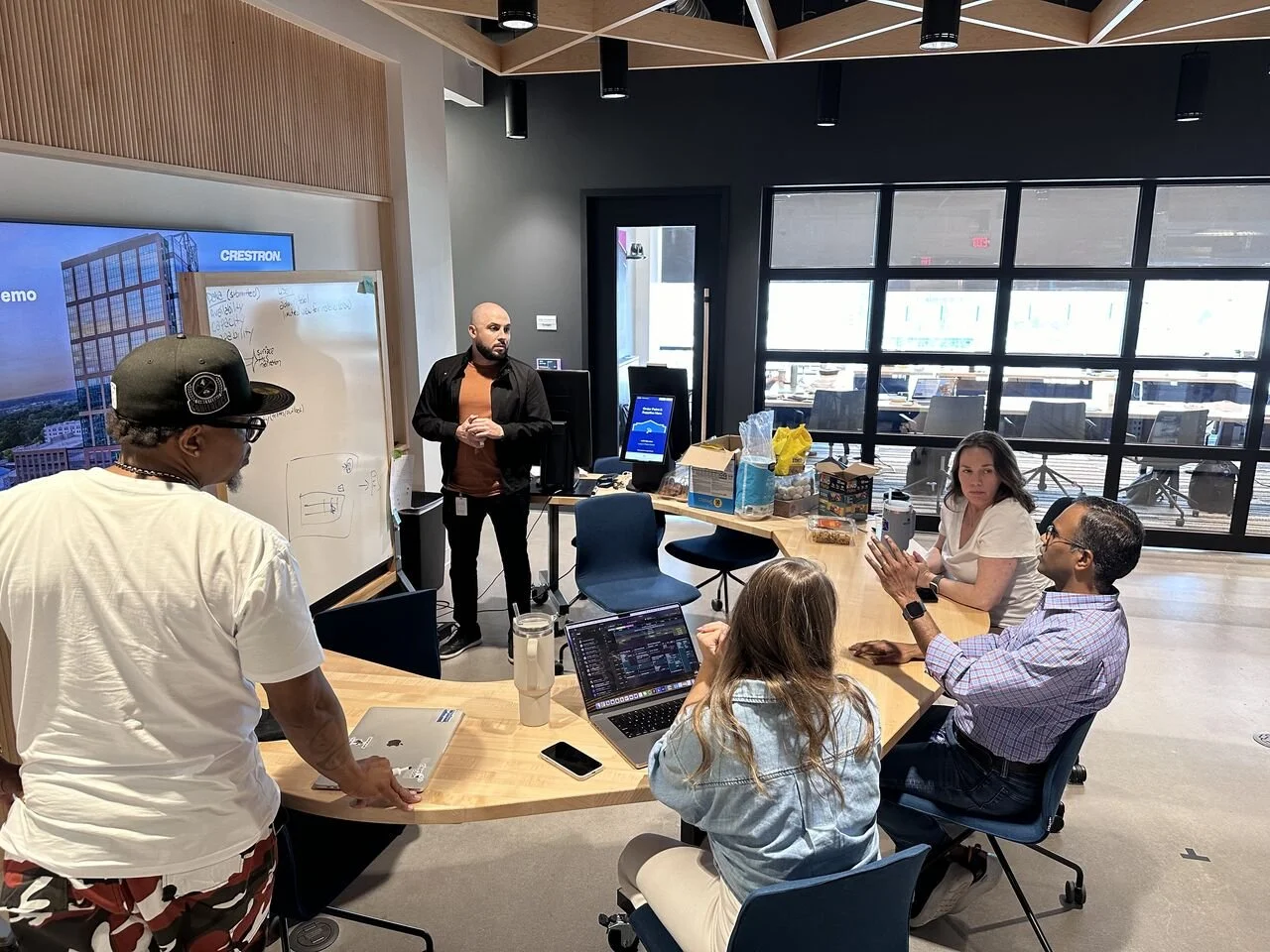
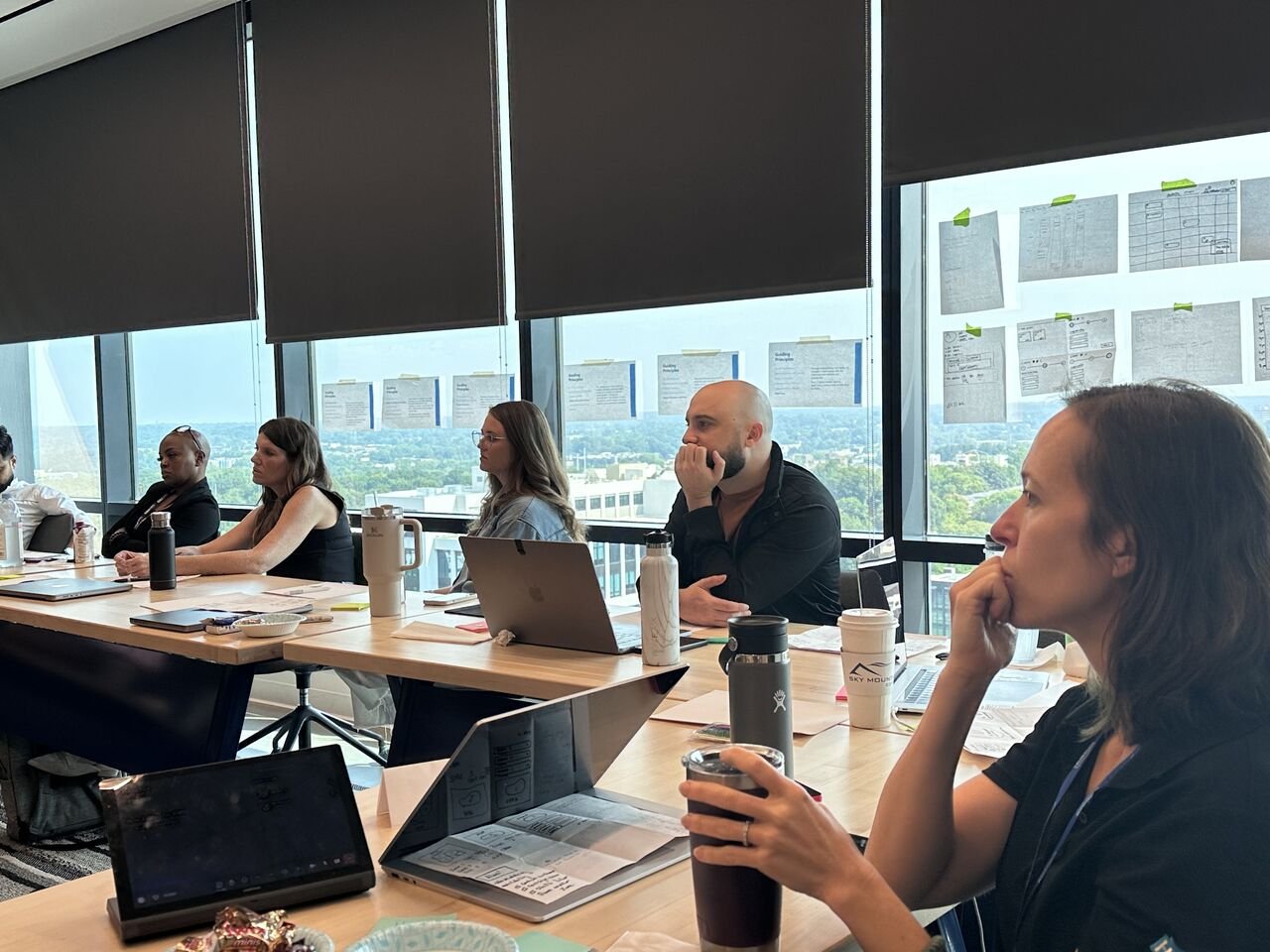
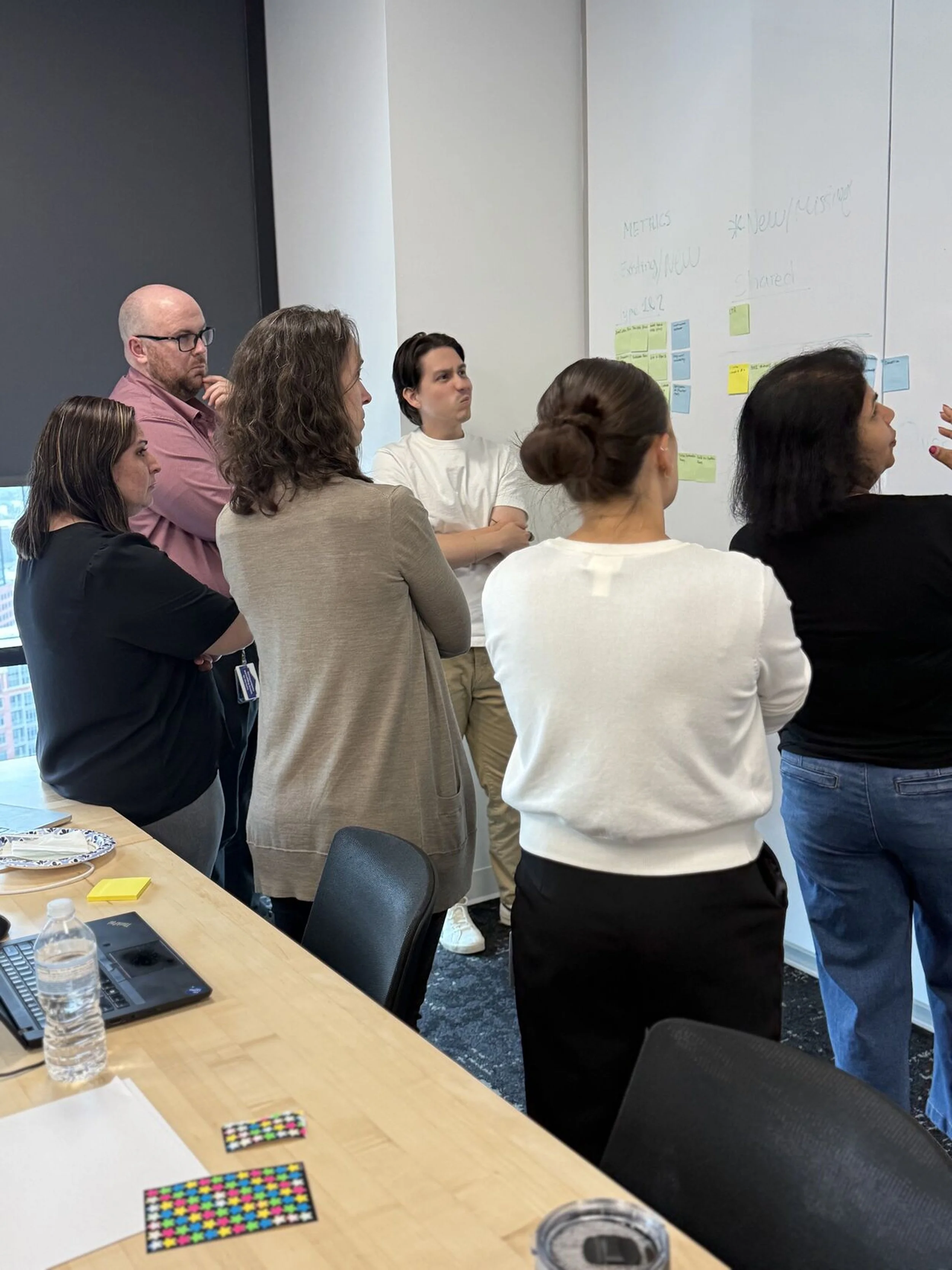
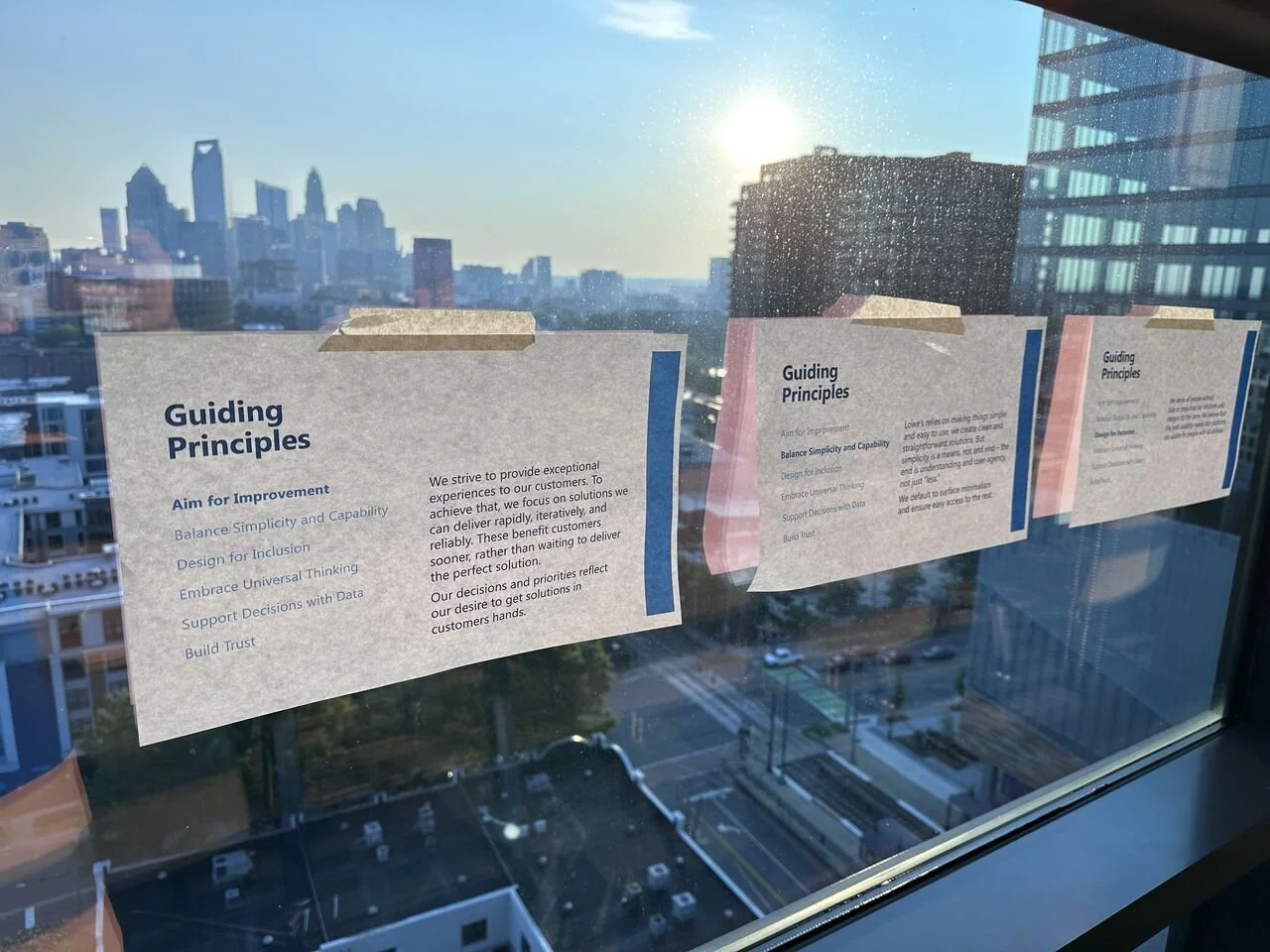
I led design efforts in Lowe’s first AI Design workshop using Figma Make and actively contributed to several cross-functional design accelerator workshops.
These workshops brought together key stakeholders and partners from business, product, research, engineering, and design to fast-track initiatives.
A notable example was Lowe’s first AI-assisted design workshop, which laid the foundation for the Performance Dashboard feature.
Over a weeklong session, we gathered users and stakeholders to collect research data and run collaborative exercises such as
“How Might We” statements and Crazy 8s. We then synthesized the findings and used ChatGPT to inform the initial concepts.
Leveraging this synthesis, I rapidly prototyped the Performance Dashboard in Figma Make.
We reviewed the first draft of the Dashboard with stakeholders and users, gathered live feedback, and I iterated on the design accordingly.
Over the following months, I continued refining and scaling the prototype to demonstrate its full potential.
Once we received stakeholder approval, we prioritized features and I began designing the MVP with high-fidelity mockups.
This experience was a significant company-wide learning opportunity. It demonstrated how bringing cross-functional teams together
and leveraging AI tools can accelerate the design process enabling us to create and present a functional concept in minutes instead of days or weeks.
DESIGN
Delivered Experiences
Component Libraries
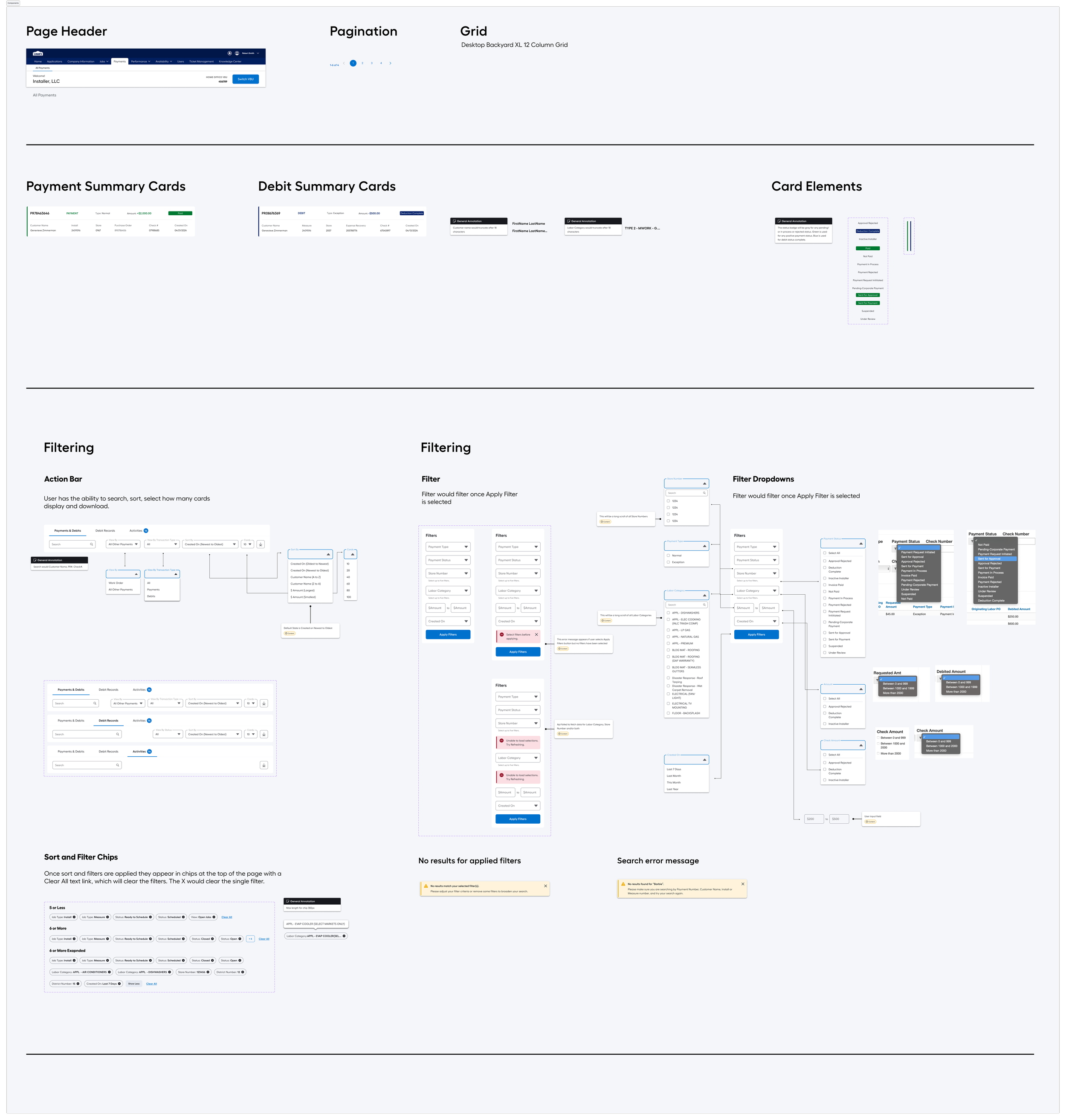
We utilized Lowe’s master component library across all design teams. Since we were building a completely new application,
we also created custom components tailored to our specific experiences. For each project, I built and maintained a dedicated
local component library. I carefully annotated every component to ensure the development team had a clear understanding of
their behavior, usage, and specifications.
Here is an example from one the projects
Deliverables Once the final design were approved all files were delivered to the project manager and development team.